The New Build Survival Guide: Upgrades, Fees, and Closing Adjustments
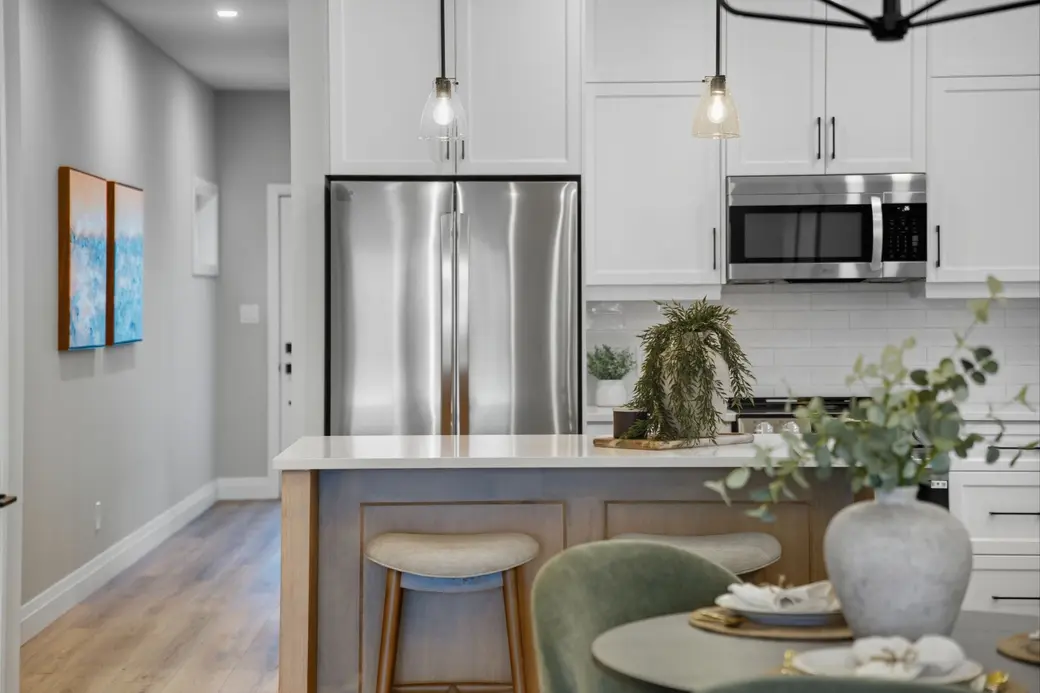
Building a new home in Ontario is an exciting milestone, but many buyers are blindsided by the "sticker shock" that happens between signing the contract and getting the keys. In Ontario’s 2026 real estate market, the purchase price on your Agreement of Purchase and Sale (APS) is rarely the final number you’ll pay.
Here is a breakdown of the real costs of a new build, from the "design studio" trap to the dreaded Statement of Adjustments.
1. The Design Studio: Where "Standard" Meets Reality
When you walk through a model home, you’re looking at a showcase of upgrades. The "base price" usually covers the basics—carpet in bedrooms, standard laminate counters, and basic tile.
-
The 10% Rule: On average, Ontario buyers spend 10% to 20% of the base home price on upgrades. On a $800,000 home, that’s an extra $80,000 to $160,000.
-
Structural Upgrades: These must be decided early. Adding a side entrance for a future basement suite or increasing ceiling height from 8' to 9' can cost anywhere from $5,000 to $20,000+.
-
The "Hidden" Upgrades: Simple things like pot lights ($200–$300 per light), oak stairs instead of carpet, or even water line rough-ins for a fridge can add thousands to your bill.
2. Closing Adjustments: The "Hidden" Invoice
A resale home closing is relatively straightforward. A new build closing involves a Statement of Adjustments, where the builder passes on various development and utility costs to you.
| Fee Type | Estimated Cost (Ontario) |
| Development Charges | $5,000 – $50,000+ (Unless capped!) |
| Tarion Warranty Fee | $600 – $2,000 (Based on home value) |
| Utility Meter Connections | $500 – $2,000 (Water, Hydro, Gas) |
| Driveway Paving/Grading | $1,000 – $3,000 |
| Tree Planting/Lawns | $500 – $1,500 |
Pro Tip: Always have your lawyer request a "Cap on Development Charges" during the 10-day rescission period (for condos) or during negotiations for freehold homes. Without a cap, the city can increase these fees before your home is finished, and the builder will pass that bill directly to you.
3. The HST Rebate Trap
In Ontario, the Harmonized Sales Tax (HST) is 13%. Most builders include the HST in the advertised price, assuming you qualify for the HST New Housing Rebate.
-
Primary Residence: If you are moving in yourself, the builder handles the rebate, and the price remains as quoted.
-
Investment Property: If you plan to rent the home out, you must pay the full HST upfront at closing—usually an extra $24,000. You can apply to get this back from the CRA after you have a one-year lease agreement in place, but you need that cash ready on closing day.
4. Post-Closing Essentials
The day you get your keys, the spending isn't over. Unlike resale homes, new builds often lack the "finished" touches:
-
Window Coverings: Builders don't provide blinds. Budget $3,000–$7,000 for a standard home.
-
Appliances: Check your contract! Some builders include them; others provide a "voucher" that might not cover the high-end set you want.
-
Fencing & Landscaping: Most new subdivisions don't include fences. You’ll likely be splitting a $3,000–$5,000 bill with your neighbors a year after moving in.
The Bottom Line
To avoid financial stress, look beyond the "Starting From" price. A good rule of thumb for Ontario new builds is to have a 5% to 7% buffer of the purchase price set aside specifically for closing adjustments and immediate post-closing needs, separate from your down payment and upgrade budget.
Recent Posts